
Lynnwood Property Buying: A Step-by-Step Guide

Your complete roadmap from initial search to closing day — brought to you by Lindstrom Real Estate.

Lynnwood property buying is one of the most significant financial decisions you will make, shaping not only your future but also your lifestyle and long-term investment potential. Whether you are a first-time homebuyer or planning a move to Lynnwood, understanding the local real estate market, pricing trends, and buying process is essential to making a confident decision. Known for its growing neighborhoods, strong demand, and excellent connectivity, Lynnwood offers a competitive housing market where preparation matters.

With homes moving quickly and market conditions constantly evolving, buyers need a clear, structured approach to stay ahead. From budgeting and mortgage pre-approval to property selection and closing, every step plays a crucial role in your success. Here’s the guide that simplifies the Lynnwood property buying process, providing you with practical insights and step-by-step guidance to help you navigate the journey smoothly and secure the right home at the right price.

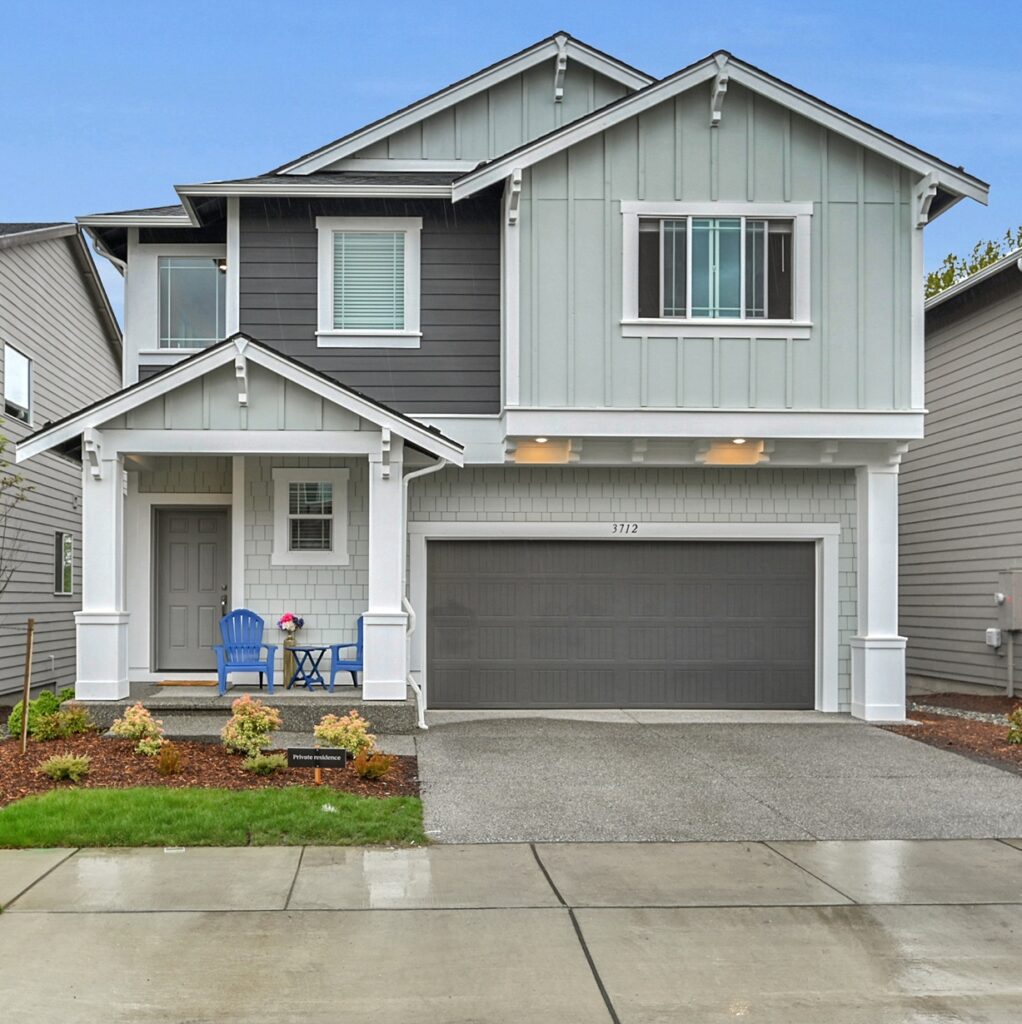
Lynnwood property buying guide

Step 1: Define Your Goals and Budget

Before you begin searching for homes, take time to clearly define what you need and what you can afford. This foundation shapes every decision that follows.

  • Determine your ideal home type: single-family, townhome, condo, or new construction.
  • Identify your must-haves: number of bedrooms, bathrooms, garage, yard, school district.
  • Set a realistic budget range based on income, savings, and financial obligations.
  • Consider commute requirements — Lynnwood’s access to I-5, I-405, and light rail can factor into neighborhood choice.

Step 2: Get Pre-Approved for a Mortgage

Mortgage pre-approval is a critical early step. It gives you a clear picture of your purchasing power and signals to sellers that you are a serious buyer — especially important in Lynnwood’s competitive market.

  • Contact a lender or mortgage broker to begin the pre-approval process.
  • Gather required documents: pay stubs, tax returns, bank statements, and proof of employment.
  • Review your credit score — aim for 620 or higher for conventional loans.
  • Understand the difference between pre-qualification (estimate) and pre-approval (verified).
  • Obtain a pre-approval letter before you start scheduling showings.

Step 3: Partner with a Local Real Estate Agent

Working with a knowledgeable local agent gives you a significant advantage. A Lynnwood-based expert understands neighborhood dynamics, pricing trends, and how to navigate competitive offers.

  • Your agent provides access to up-to-date MLS listings, including off-market opportunities.
  • They offer data-driven insights on fair market pricing in specific Lynnwood neighborhoods.
  • A local agent can identify red flags in listings that online searches may miss.
  • They will guide you through paperwork, deadlines, and negotiation strategy.

Step 4: Search for Homes

With your pre-approval in hand and your agent by your side, it’s time to find your home. Focus on properties that meet your criteria and align with your long-term goals.

  • Search active listings based on your defined criteria (price, size, neighborhood).
  • Schedule private showings promptly — well-priced Lynnwood homes move quickly.
  • Evaluate each property for current condition, renovation potential, and resale value.
  • Research the neighborhood: schools, walkability, proximity to amenities, and future development plans.
  • Keep notes on each property to compare objectively.

Step 5: Make a Competitive Offer

When you find the right home, acting quickly and strategically is essential. Your agent will help you craft an offer that is compelling without overpaying.

  • Review comparable sales (comps) to determine a fair and competitive offer price.
  • Decide on earnest money — a good-faith deposit typically 1–3% of the purchase price.
  • Include contingencies: inspection, financing, and appraisal are standard protections.
  • Consider the seller’s timeline and tailor closing date terms if possible.
  • Be prepared to negotiate — counter-offers are common in active markets.

Step 6: Complete the Home Inspection

Once your offer is accepted, a professional home inspection is one of the most important steps. It protects you from costly surprises after closing.

  • Hire a licensed home inspector to assess the structure, systems, and overall condition.
  • Attend the inspection in person if possible to ask questions directly.
  • Review the inspection report carefully with your agent.
  • Negotiate repairs or credits with the seller based on findings.
  • Consider additional inspections (sewer, roof, radon) if the property warrants it.

Step 7: Secure Your Financing

With inspection complete, work with your lender to finalize your mortgage. This phase involves paperwork, appraisals, and underwriting review.

  • Submit your completed loan application and all required documentation.
  • The lender will order an appraisal to confirm the home’s value supports the loan amount.
  • Avoid major financial changes during this period (new credit, large purchases, job changes).
  • Respond promptly to any lender requests for additional documentation.
  • Review your Closing Disclosure — compare it with your Loan Estimate for accuracy.

Step 8: Conduct a Final Walk-Through

Before closing, complete a final walk-through of the property — typically 24 to 48 hours before signing. This confirms the home is in the agreed-upon condition

  • Verify all agreed-upon repairs have been completed.
  • Ensure all appliances and fixtures included in the sale are present and functioning.
  • Check for any new damage or issues that may have occurred after inspection.
  • Confirm the property has been vacated and is in clean condition.

Step 9: Secure Your Financing

Closing day is when ownership officially transfers to you. Come prepared, and your agent will guide you through every signature.

  • Bring a valid government-issued photo ID and certified funds (cashier’s check or wire transfer).
  • Review and sign all closing documents — your agent and escrow officer will explain each one.
  • Pay closing costs (typically 2–5% of the purchase price).
  • Receive the keys once funding is confirmed by the lender.
  • Congratulations — you are officially a homeowner in Lynnwood, WA!

Why Lynnwood, WA Is a Smart Place to Buy

Lynnwood is one of Snohomish County’s fastest-growing cities. Here is why buyers are choosing it:

  • Easy access to Seattle via I-5, I-405, and expanding light rail.
  • Diverse housing inventory across all price ranges.
  • Growing retail, dining, and entertainment amenities.
  • Consistent property value appreciation and strong buyer demand.
  • Family-friendly neighborhoods with solid school districts.

Ready to Start Your Home Search?

At Lindstrom Real Estate, we combine local expertise with a client-first approach to make your Lynnwood property buying experience smooth and successful. Whether you are just beginning your search or ready to make an offer, we are here every step of the way.


Contact us today to schedule a free consultation.

Locator Icon

1133 164th St SW Suite 204, Lynnwood, WA 98087